

Can Digital Mental Health Support Be Human Too?

Mental health support is changing. Digital tools and AI are creating new ways for people to explore their feelings, access wellbeing resources and find support when they need it. But as these technologies become more common, an important question remains: how do we make sure convenience doesn’t come at the expense of human care? In […]
Managers Don’t Need to Be Mental Health Experts. They Need to Know What to Do Next.

Managers are often the people closest to employees day to day. That means they may notice when something changes before anyone else does: someone becoming unusually withdrawn, struggling with workload, losing confidence or simply not seeming like themselves. In 2026, UK guidance is placing greater emphasis on the role managers can play in recognising these […]
The Next Generation of Workers Needs a Different Approach to Mental Health

The workplace is changing, and so are the mental health challenges facing the people entering it. Recent UK research highlights growing pressure among younger workers. The Mental Health Foundation’s September 2026 Employment and Mental Health Inequality report found that young people aged 16 to 24 are significantly more likely to experience poor mental health than […]
Employee Wellbeing Is Personal. Shouldn’t Support Be Too?

There is no single way people experience stress, anxiety or poor mental health. So why should workplace wellbeing support look the same for everyone? In January 2026, REBA highlighted personalisation and prevention as key ways workplace wellbeing needs to evolve, noting that rising psychological health referrals and increasingly complex employee needs are exposing the limitations […]
A Wellbeing Benefit Only Works When People Can Actually Use It

Employers are investing more in employee wellbeing, but a growing question in 2026 is not simply “What benefits do we offer?” It is “Are our people actually experiencing them?” Research published by Epassi in August 2026 found a notable gap between employer and employee perceptions: 82% of UK employers said their organisation supports overall employee […]
Mental Health Support Is Moving Earlier

For years, workplace mental health support has often been associated with what happens when someone reaches crisis point. In 2026, the conversation is increasingly moving towards something earlier: prevention, early intervention and making support easier to access before problems escalate. The UK Government’s Keep Britain Working programme has highlighted the need for employers to act […]
Mental Health in Sport Is Becoming an Organisational Responsibility
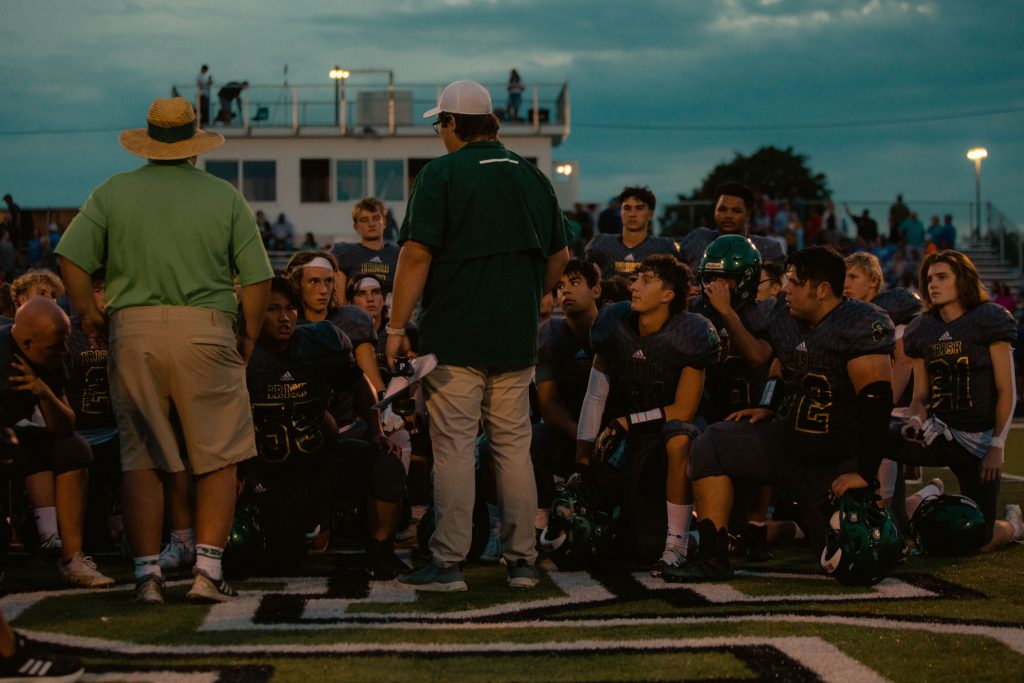
Mental health in elite sport is increasingly being viewed as more than an individual issue. The environment around an athlete matters too. The International Olympic Committee’s 2026 consensus statement on mental health in elite athletes, published in August, recommends that sporting organisations address the factors within the environments where athletes train and compete. It also […]
The Mental Load of a Demanding Sporting Schedule

For professional athletes, the pressure of sport is not only measured in matches won or performances delivered. Sometimes, it is measured in how little time there is to recover between them. That has become an increasingly important player-welfare conversation in UK cricket. The Professional Cricketers’ Association’s research found that 67% of players were concerned about […]
Mental Health Support Should Start Before the First Team
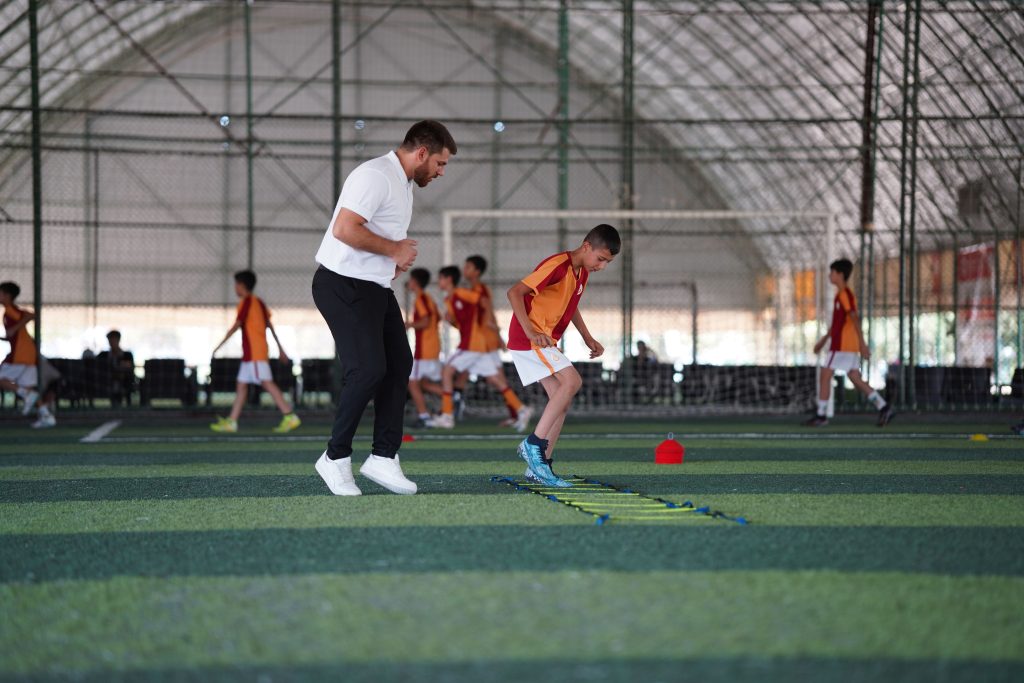
For young footballers, making it into the first team is often the dream. But the journey towards it can come with pressures that extend well beyond training and match day. A June 2026 research paper on adolescent footballers in academy settings highlighted that young players face the usual pressures of adolescence alongside football-specific stressors. The […]
When the Next Contract Is Uncertain, Mental Health Matters Too

For professional footballers, the pressure does not always come from what happens on the pitch. Sometimes, it comes from not knowing what happens next. In June 2026, the Professional Footballers’ Association (PFA) expanded its pre-season programme for out-of-contract players from 10 to 12 weeks, running through to 16 September. Alongside training and opportunities to connect […]